Beyond Numbers: Understanding and Managing Emotions
Trading psychology refers to the mental state or psychological state of a investor, which can have an important role to play in how they act when they trade in the market. While most investors focus more on growing their knowledge and experience regarding different investment avenues, emotions like greed and fear can cloud rationality. This is why it is important for investors and investors to understand and manage their emotions so that they develop the right mindset to make sound financial decisions.
Common Psychological Challenges That Investors Must Overcome
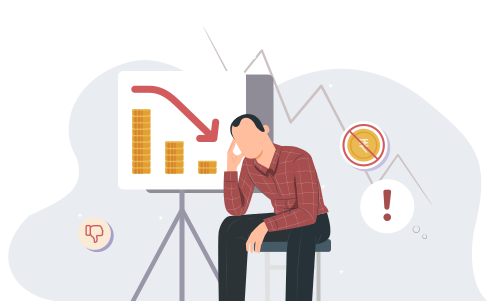
- Market Anxiety: This is a common emotion where investors experience fear and anxiety due to certain fluctuations in the market. Such fluctuations may lead to losses for investors and this can intensify anxiety further. Also, after experiencing a major loss, investors may go through a constant fear of impending failure.
- Perfectionism: Being a perfectionist can be a negative trait for investors and investors. Generally, these people tend to devote countless hours to increase their knowledge and they will try to predict all losses. However, the only thing that investors achieve by being a perfectionist is that they wear themselves down. Moreover, the constant fear of making mistakes can paralyse their decision-making, leading to missed opportunities and suboptimal outcomes.
- Frustration: Sudden market volatility, losses and various other things can push investors to feel more and more frustrated. Being frustrated can lead to anger and irritation, which may prevent investors from making logical and rational decisions. Such impulsive decisions may lead to further losses and even more frustration.
How Extreme Emotions can Affect Trading Decisions
- The Role of Fear and Greed: Fear can encourage investors to sell their instruments prematurely because they think holding on to them will result in major losses. On the other hand, greed can cause them to hold the position even when all signs point to selling. Investors have to identify these emotions and manage them. Otherwise, fear and greed will control their actions, which can result in costly mistakes.
- Overconfidence and its Dangers: Investors may overestimate their knowledge and trading skills. This can cause them to take excessive risks or rash decisions that end badly.